


Energy Efficiency Scoreboard 2024
Two webinars of the Leonardo ENERGY webinar platform have presented findings from the 2024 ODYSSEE-MURE Scoreboard, providing insights into the dynamic interplay between policy, industry, and energy efficiency within the EU.
The Leonardo ENERGY webinar platform, an initiative of the International Copper Association Europe, the Odyssee-Mure Project (co-funded by the European Union's LIFE programme) and eceee have launched a webinar series called the "Energy Efficiency Academy".
The Energy Efficiency Academy has produced webinars with various topics related to energy efficiency. The Academy provides an interactive learning experience on various aspects of energy efficiency, such as policy analysis and evaluation, technologies and solutions, and market developments. It also aims to foster dialogue and exchange among stakeholders from policy, industry, academia, and civil society.
The European Energy Efficiency Scoreboeard aims to allow for a comparison of policy impacts with energy efficiency scenarios for 2030, aligning with the objective of achieving climate neutrality in the European Union.
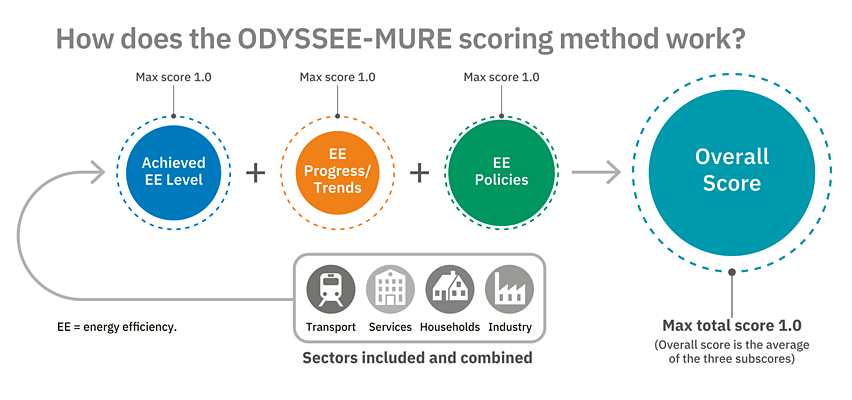
The European Energy Efficiency Scoreboard 2024 and the gap to European 2030 Energy Efficiency targets
In December, the 2024 update of the European Energy Efficiency Scoreboard was presented at an Energy Efficiency Academy webinar on the changes compared to the previous (2023) edition and examine case studies from selected countries.
Additionally, the webinar explores the European energy efficiency policy gap using a newly introduced Energy Efficiency Policy Assessment Tool. It also includes discussions of whether the efforts on energy efficiency policies by EU Member States, as documented in the National Energy and Climate Plans (NECPS) lead to an improvement in the position of a country and why.
Key takeaways include:
- Political events such as the Ukraine war and the related energy security crises, as well as the enhancement of climate targets could have had impacts but long-term strategic development of energy efficiency policies have clearly had the largest contribution to targets.
- Individual European Member States and the European Union as a whole, nevertheless, still present a substantial energy efficiency policy gap as compared to 2030 targets, even taking into account the additional efforts by EU Member States described in the NECPs.



