Panel 2. Future and innovative policies
The roles of energy efficiency, end-use flexibility and electrification in the decarbonisation of our energy system remain contested. How should energy demand policies evolve to respond to the pace of change and secure the role and interests of energy users in the future system? What new policy ideas are needed to ensure an equitable transition to net zero that offers benefits to all? We welcome innovative ideas, both conceptual and based on policy experience.
The need to decarbonise the energy system and all end uses, including heat and industry, becomes ever more urgent and the desire to move away from reliance on fossil fuels becomes stronger. But the roles of energy efficiency, end-use flexibility and electrification remain contested. How should energy demand policies evolve to respond to the pace of change in the sector and secure the role and interests of energy users in the future system? What new policy ideas are needed to ensure an equitable transition to net zero that offers benefits to all? We welcome innovative ideas, both conceptual and based on policy experience. These may focus on end-users or other system stakeholders, and may be sector-specific or cross-sectoral. The sort of questions they may address include, but aren’t limited to:
- What policy levers can we use to change the focus from energy supply to energy demand?
- How can innovative energy demand policies deliver more competitive and more resilient industries and energy systems?
- What opportunities for energy efficiency can be found in the digitalisation of the energy system as well as within the different sectors?
- Who should pay for the energy efficiency and demand flexibility that the system needs, and how can this be financed?
- How can policy drive industry to optimise energy use while decarbonising?
- How can innovative policies enable a just transition?
Panel leaders
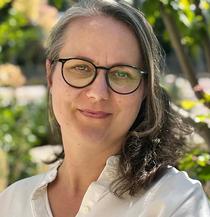
Heike Brugger, IREES, Institute for Resource Efficiency and Energy Strategies, Germany
Heike Brugger's work focuses on the design and evaluation of energy and climate policy instruments and measures, with a particular emphasis on energy efficiency in private households, the commercial, trade, and services sector, as well as in industry. Her current research lies at the intersection of digitalisation, energy, and the just transition, and concentrates on the capacity of private households to participate in a decentralised and digital energy system. In addition, she studies the effects of digitalisation and artificial intelligence on industrial transformation and the energy demand of data centres.
She studied political science, mathematics and physics at the University of Konstanz. In 2017, she completed her doctorate at the University of Konstanz’s Department of Political and Administrative Sciences, specialising in local energy policy and network analysis. From 2018 to April 2025, she worked as a researcher and project manager in the Energy Policy and Energy Markets department at Fraunhofer ISI, where she headed the Energy Policy business unit since March 2021. Since May 2025, Heike Brugger is the Managing Director of IREES GmbH – Institute for Resource Efficiency and Energy Strategies (Karlsruhe, Germany).

Joanne Wade, Independent NED and Advisor, United Kingdom
Joanne is an expert in local energy systems, energy sufficiency and energy demand reduction. She is a Non-Executive Director at the Energy Saving Trust, a Supervisory Board member for UK Power Networks Distribution System Operator and a Specialist Advisor to the UK House of Commons Energy Security and Net Zero Committee. Joanne Chairs the Advisory Board for the UK Energy Research Centre and is a member of the Advisory Board for the UK's Energy Demand Research Centre. She has a long-standing relationship with the eceee summer study, and has previously been a panel leader and the conference co-Chair. Originally a chemist, she studied energy policy at Masters level and her PhD thesis focused on European passenger transport energy use and emissions. She was appointed an OBE in 2018 for services to energy efficiency.